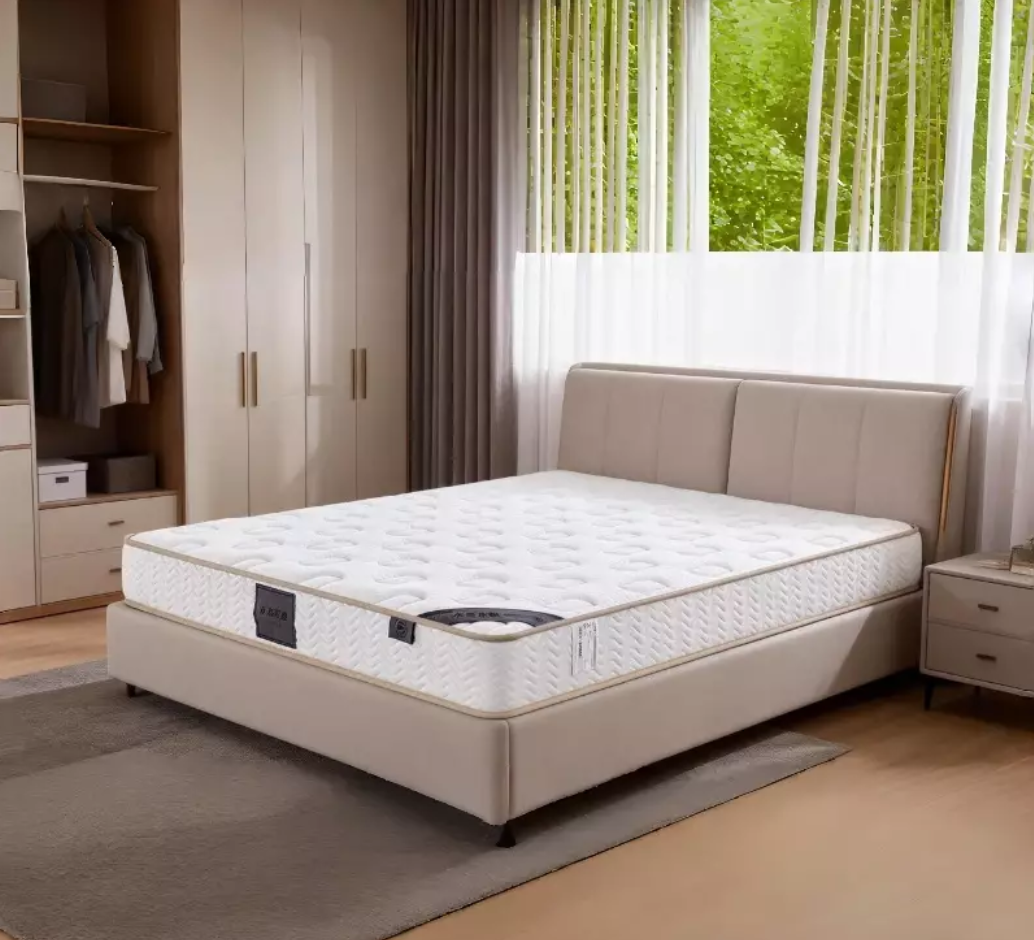
When buyers evaluate mattresses for hospitality projects, furniture distribution, or customized bedding programs, durability testing is an important part of product selection. A mattress needs to maintain its structure after repeated use, so understanding testing methods can help businesses make more informed decisions.
Why Durability Testing Matters for Spring Mattresses
A spring mattress contains several layers that work together. The spring system provides support, while foam, fabric, and edge materials affect comfort and appearance. Over time, these parts experience pressure from regular use, so testing helps evaluate how the mattress responds under repeated conditions.
Common durability tests include rolling tests, compression tests, and edge support evaluations. These methods simulate long-term usage and help identify possible changes in mattress height, firmness, and structural stability.
For buyers, understanding these tests can make communication with suppliers easier. Instead of only comparing appearance or initial comfort, they can review how the mattress is designed for regular use and different market requirements.
Key Areas Checked During Mattress Durability Evaluation
The support system is one of the main areas tested in a spring mattress. Independent pocket springs are designed to respond separately to pressure points, which can help maintain balanced support across the sleeping surface. The spring structure also needs to work together with surrounding materials.
Edge support is another important factor. Mattress edges often receive pressure when users sit or sleep near the side. A reinforced edge structure can help maintain the shape of the mattress and reduce deformation during daily use.
Material inspection also plays a role in durability evaluation. Foam density, fabric quality, and internal layer arrangement all influence long-term performance. Buyers can review these details to understand how different components contribute to the final product.
Product Structure and Testing Considerations
Our mattress model MT-208 shows how different layers are combined in one design. The product has general dimensions of L180 × W200 × H21 cm, with customization options available for dimensions and fabric according to project requirements.
The filling layer includes 1000# high-density foam D2030# 2-ply, L50 gray 3D fabric, and rigid cotton. These materials are arranged to create a balanced internal structure. The support layer uses a five-zone independent pocket spring system (2.0) with 8-point foam-wrapped edge banding.
The cover fabric is knitted fabric, while the packing dimensions are L190W38H38cm. The product weight is 43.5kg. These specifications provide buyers with clear information when reviewing transportation, installation, and application needs.
How Buyers Can Review Supplier Testing Capability
Selecting a supplier requires more than checking a product sample. Buyers can ask about material details, production procedures, and quality inspection steps. Clear communication helps both sides understand expectations before large-volume cooperation.
A reliable evaluation process may include checking spring performance, foam recovery, fabric condition, and packaging protection. These details are especially useful for distributors and project buyers who need consistent products across different orders.
When working with a spring mattress factory, buyers can also discuss customization requirements. Dimensions, fabrics, and internal structures may need adjustments based on regional markets, customer preferences, or project applications.
The Role of Production Experience in Mattress Quality
Production experience helps companies understand how materials interact during manufacturing. Different combinations of springs, foam layers, and fabrics can affect the final sleeping experience and product lifespan.
At Suisin Furniture, we provide mattress solutions for B2B partners and focus on product development, customization, and manufacturing processes. Our approach includes attention to material selection and production details, allowing customers to discuss requirements based on their target markets.
For businesses purchasing mattresses in larger quantities, cooperation with an experienced supplier can simplify product communication. It also allows buyers to better understand the reasons behind different design choices and testing methods.
Practical Questions Before Placing Bulk Orders
Before confirming an order, buyers can review several points with suppliers. These include product dimensions, material specifications, packaging methods, and customization possibilities. Clear information helps avoid misunderstandings during production and delivery.
Durability-related questions are also useful. Buyers can ask how the mattress structure is evaluated, what materials are used in different layers, and how the design supports regular usage conditions.
A detailed review process allows businesses to select products based on actual requirements rather than simple appearance comparisons. This approach is helpful for distributors, hotels, and furniture-related companies planning long-term product programs.
Building a Clear Understanding of Mattress Durability
Mattress durability depends on many connected factors, including spring structure, filling materials, edge support, and manufacturing methods. Buyers who understand these elements can better evaluate product options and communicate with suppliers.
We continue to provide customized mattress solutions based on customer needs and product specifications. For companies looking for a suitable spring mattress factory, reviewing durability testing methods and product details can support more practical purchasing decisions.
A mattress is not only a finished product but also a combination of materials and design choices. By focusing on testing information and structural details, businesses can create clearer evaluation standards for their future projects.