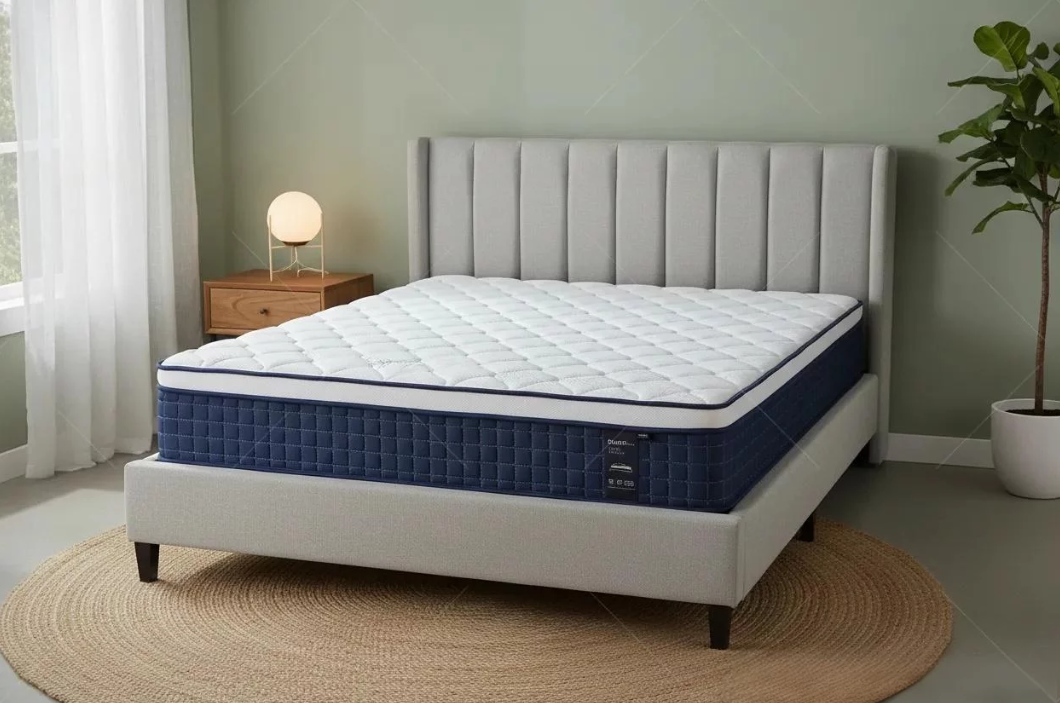
When importers source mattresses from overseas suppliers, product quality is only one part of the evaluation process. Certifications and compliance documents also help buyers understand production procedures, quality management practices, and supplier capabilities. Different markets may have different requirements, so checking certification details is an important step before starting cooperation.
At Suisin Furniture, we provide mattress products and manufacturing support for global business partners based on different project requirements. We understand that importers need more than product information when selecting suppliers. Clear documentation, production experience, and effective communication can help buyers evaluate cooperation opportunities more efficiently.
Understanding Why Certifications Matter in Mattress Sourcing
Certifications provide useful information about a factory’s production management, material control, and testing procedures. They are not only documents for customs or business communication but also references for evaluating manufacturing capability.
For importers, the first step is checking whether certificates match the actual products and production scope. A certificate should include clear information such as the certification body, validity period, and related product categories.
A qualified mattress manufacturer usually needs to maintain consistent production processes, including material inspection, assembly control, and final product checks. These details are important for buyers who handle long-term supply plans.
Checking Material and Product Safety Standards
Mattress materials directly influence product performance and user experience. Importers should review whether the supplier can provide material information, testing reports, or certificates related to foam, fabric, springs, and other components.
For example, foam density, fabric composition, and structural design can affect mattress comfort and durability. Buyers should confirm whether the materials used in production meet the requirements of their target markets.
At Suisin Furniture, we provide different mattress options for B2B customers, including foam mattresses, spring mattresses, and customized mattress solutions. Product structures can be adjusted according to application needs, allowing buyers to select suitable designs for different markets.
Reviewing Factory Management and Production Control
Factory management certifications can show how a company organizes its daily production activities. Importers may review quality management systems, manufacturing procedures, and inspection methods before placing larger orders.
Production control usually covers multiple stages, from incoming material inspection to finished product evaluation. A clear process helps factories identify issues during manufacturing and maintain stable product quality between batches.
When working with a bed mattress supplier china, importers should also pay attention to communication efficiency, production capacity, and the supplier’s ability to provide related documentation. These factors can influence the smooth progress of international orders.
Evaluating Certifications Based on Target Market Requirements
Certification requirements are different across countries and regions. Importers should understand the regulations of their sales markets instead of only checking whether a supplier has general certificates.
For example, some markets may focus on chemical safety, fire resistance, or environmental requirements. Buyers should confirm which standards apply to their products before production begins.
It is also important to check whether testing reports are issued by recognized organizations. Clear documentation allows importers to better understand product compliance and prepare necessary files for market entry.
Considering Customization and Manufacturing Capability
Certifications are important, but they should be evaluated together with manufacturing experience and customization ability. Many importers need mattresses with specific sizes, materials, packaging methods, or design adjustments.
A supplier with flexible production experience can communicate technical details more effectively during customized projects. This includes confirming product specifications, sample approval procedures, and production arrangements.
For furniture brands, hotels, retailers, and distributors, selecting a suitable supplier involves more than comparing prices. A complete evaluation should include certifications, product knowledge, production processes, and cooperation experience.
Building a Reliable Supplier Evaluation Process
A practical supplier review process can help importers organize their sourcing decisions. Buyers can create a checklist covering certification documents, product testing, factory information, and communication records.
During the evaluation stage, importers can request updated certificates and compare them with the supplier’s actual product range. They can also ask questions about production steps, quality inspection, and order management.
Working with a suitable supplier requires continuous communication. Regular discussions about specifications and market requirements can help both sides understand project expectations more clearly.
Making Better Decisions Through Certification Verification
Certification verification is an important part of mattress sourcing, especially for importers managing international supply chains. Documents related to safety, materials, and production processes can provide useful references before cooperation.
With experience in furniture manufacturing, we understand that business customers need clear product information and stable communication during purchasing. By reviewing certification details together with manufacturing capability, buyers can develop a more complete supplier assessment process.
For companies looking for cooperation with a bed mattress supplier china, checking certifications, product details, and production conditions can help create a stronger foundation for future projects. A careful evaluation approach allows importers to select suppliers that match their market requirements and business goals.