Choosing a suitable mattress supplier is an important step for distributors, furniture retailers, and project buyers who plan to build long-term business relationships. A supplier is not only responsible for providing products but also needs to match market requirements, production schedules, and quality expectations.
For businesses entering or expanding in the mattress market, factors such as manufacturing capability, product consistency, customization options, and logistics arrangements should be considered together. As one of the companies providing mattress wholesale solutions, we understand that stable cooperation depends on clear communication and practical product support. For international buyers, supplier selection also involves reviewing production experience, export capability, and the ability to provide suitable solutions for different market conditions. A supplier that understands these factors can help businesses reduce unnecessary adjustments during product development and order preparation.
Understanding Supplier Capabilities Before Cooperation
A reliable supplier should have a clear understanding of mattress production processes. Buyers can review the supplier’s experience, manufacturing methods, material selection, and quality management before making decisions.
Different markets may have different preferences for mattress structures, firmness levels, fabrics, and packaging methods. Therefore, suppliers need to communicate with buyers about product requirements instead of only providing standard models.
When evaluating suppliers, businesses should also consider whether the supplier can handle different order volumes. A suitable partner should have production arrangements that match both regular orders and future business growth.
We work with distributors and business partners who need consistent mattress solutions for different markets. Suisin Furniture focuses on mattress development and production cooperation, helping customers discuss product structures, materials, and order requirements according to their business plans.
Reviewing Product Design and Material Options
Product quality is closely related to internal structure and material combinations. A mattress usually includes several layers, such as spring systems, foam materials, filling layers, and cover fabrics. Each part affects the final product characteristics.
For buyers planning long-term cooperation, understanding product details is important. A supplier should be able to explain material choices and construction methods clearly, helping customers select products suitable for their target markets.
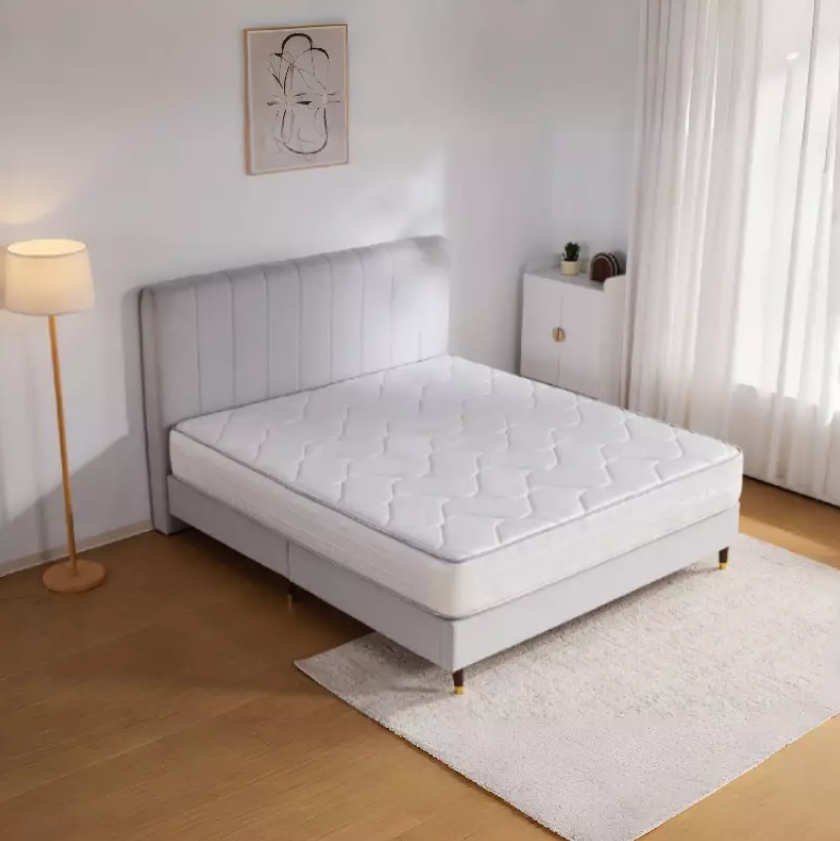
The MT-202 mattress uses a smart pocket spring system combined with high density foam. This structure integrates independent spring support with foam layers to create a balanced mattress design for different usage requirements.
The product also uses vacuum compressed packing to reduce 80% shipping volume. This packaging method can help business buyers manage transportation space more efficiently, especially for international orders where logistics planning is an important consideration.
When reviewing mattress designs, buyers can also consider factors such as product lifespan expectations, maintenance requirements, and customer usage scenarios. For example, mattresses supplied for hotels may require different structural considerations compared with retail products. Understanding these differences helps buyers select products that better match their business goals.
Checking Manufacturing Stability and Order Management
For bulk mattress orders, buyers should pay attention to how suppliers manage production schedules, material preparation, and order tracking. A clear process helps reduce delays and supports consistent delivery arrangements.
Manufacturing stability also depends on production planning. Factors such as raw material availability, capacity arrangement, quality checks, and shipment preparation can influence order performance, especially for large or repeated purchases.
A professional factory direct mattresses wholesale supplier can help buyers coordinate product details, packaging requirements, and delivery plans through direct communication.
At Suisin Furniture, we support B2B customers with mattress manufacturing services by coordinating product specifications, production schedules, and order requirements according to different projects.
Considering Customization and Market Adaptability
Customization allows mattress suppliers to adjust products according to different market conditions. Buyers may need variations in mattress size, firmness level, fabric style, packaging format, or product combination to match local sales channels.
For example, hospitality projects may focus on durability and consistent specifications, while retail businesses may require more choices in appearance, comfort levels, and package design. Understanding these differences helps suppliers develop products that fit specific applications.
Market adaptability also requires flexibility in production planning. When product changes are discussed early, buyers and manufacturers can better evaluate material selection, production methods, and order arrangements before moving forward.
Evaluating Logistics and Long-Term Partnership Value
Logistics is an important part of mattress supply cooperation. Due to the size of mattresses, packaging methods and transportation planning can influence overall purchasing efficiency.
Suppliers that understand export requirements can help buyers consider packaging, shipping arrangements, and product handling during the cooperation process. These details become especially important for businesses serving different regions.
In addition, buyers can review whether suppliers provide flexible order arrangements for different purchasing stages. This is useful for businesses that need to test new markets before increasing order quantities. Proper planning can support smoother expansion and long-term cooperation.
When selecting a supplier for mattress wholesale, buyers should look beyond short-term pricing and consider factors such as communication, product consistency, and production support. A stable relationship can help businesses respond better to changing market needs.
A long-term supplier relationship is built through continuous cooperation. Regular discussions about product performance, market feedback, and future requirements can help both parties improve cooperation over time.