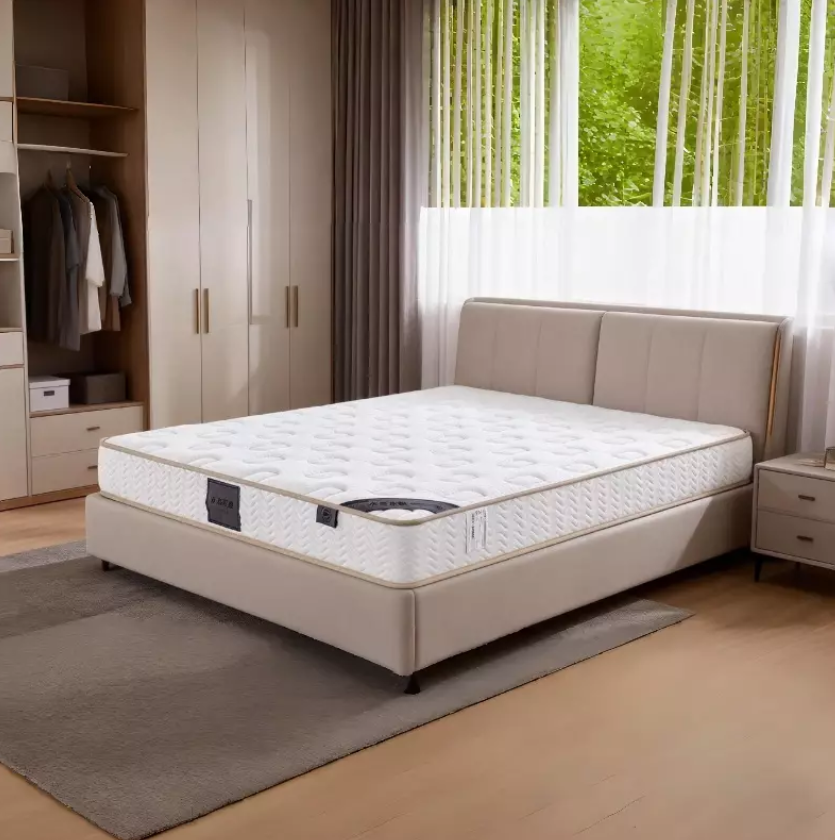
A mattress support system directly affects sleeping comfort, body pressure distribution, and product performance. Different users and markets may have different expectations for firmness, flexibility, and durability. To meet these requirements, manufacturers need to consider internal structures, material combinations, and production methods instead of only focusing on the surface feel.
For businesses sourcing mattresses, understanding how support systems are developed can help them evaluate product designs more effectively. As one of the professional spring mattress manufacturers, we study different market needs and develop mattress structures that balance comfort, support, and manufacturing feasibility.
The Role of Spring Structures in Mattress Support
The spring unit is one of the main components that determines how a mattress responds to body movement. Traditional interconnected springs provide a stable feeling, while pocket spring systems allow individual springs to move more independently.
A pocket spring structure contains multiple wrapped springs placed separately inside fabric pockets. This design helps reduce motion transfer because each spring reacts according to the pressure applied to its own area. It is often selected for mattresses that require a more flexible support experience.
Different spring designs can also influence firmness levels. Factors such as spring height, wire thickness, coil quantity, and arrangement method can change the overall support characteristics. Manufacturers adjust these elements based on target markets and product positioning.
When developing a mattress, we consider how the spring system works together with other layers. A suitable combination can create a balanced structure instead of relying on one single material to provide all functions.
How Foam Layers Improve Mattress Comfort
Spring systems usually work together with foam materials to create a complete sleeping surface. Foam layers can influence pressure relief, surface softness, and the overall feel of the mattress.
High density foam is commonly used as one important layer in mattress construction. Its structure provides a supportive base and helps maintain the shape of the mattress during regular use. The thickness and placement of foam layers can be adjusted according to different design requirements.
At Suisin Furniture, we combine material selection with production experience when developing mattress solutions for business customers. Our team evaluates different layer combinations to create products suitable for various markets and applications.
Creating a mattress support system requires coordination between design and production. Manufacturers need to control details such as spring arrangement, foam density, layer thickness, fabric selection, and edge support to maintain product consistency.
During product development, sample testing is an important step for B2B projects. Buyers can review mattress firmness, recovery performance, surface feel, and overall structure before moving into larger orders. This process helps both sides confirm whether the design matches the target market.
For example, hotel projects may focus on long-term durability and consistent comfort, while retail products may require different firmness options to meet various consumer preferences. Mattress brands developing private label collections may also need adjustments in materials, appearance, or packaging.
At Suisin Furniture, we work with partners to evaluate product structures based on application requirements. By reviewing specifications and production conditions in advance, manufacturers can provide more suitable mattress solutions for different business scenarios.
Why Different Markets Need Different Mattress Structures
Mattress requirements can vary according to region, sales channel, and customer group. A product designed for home retail may have different priorities compared with mattresses supplied for hotels, apartments, or customized furniture projects.
For distributors, having multiple structural options can help cover different market segments. Spring type, foam combination, mattress thickness, and packaging method are all factors that can be adjusted according to project needs.
As spring mattress manufacturers, we develop mattress structures by considering both product performance and manufacturing feasibility. Different combinations of smart pocket springs, high-density foam, and other layers can create various support experiences for different applications.
Before confirming a final design, buyers can review samples and discuss possible adjustments with manufacturers. This cooperation process helps reduce risks during bulk production and allows products to better match local market expectations.
Building Reliable Mattress Solutions Through Production Experience
A mattress support system is created through the combination of structure design, material selection, and manufacturing control. For B2B buyers, understanding these elements helps them evaluate suppliers and select products more effectively.
At Suisin Furniture, we provide mattress solutions based on project requirements, including support structure development, material coordination, and production preparation. Our High-Density Foam Hybrid Mattress with Smart Pocket Springs MT-203 reflects the integration of foam comfort and spring support for different business applications.
For companies working with a spring mattress factory, reviewing product capability, customization options, and communication processes can support smoother cooperation. A practical support system begins with clear planning and detailed manufacturing considerations.