The mattress-in-a-box model has changed the way mattresses are transported and delivered. Instead of moving a full-size mattress with a large volume, manufacturers use compression technology to reduce the package size before shipping. For B2B buyers, understanding the production process helps them evaluate suppliers, product structures, and packaging methods.
At Suisin Furniture, we work with partners who need practical mattress solutions for different markets. Our production process combines material selection, mattress assembly, compression, rolling, and packing steps to create products suitable for efficient transportation. This article explains how the process works and what buyers should consider when working with mattress suppliers.
Understanding the Compression Process Before Packing
After the mattress is completed and inspected, it is prepared for vacuum compression. The mattress is placed into compression equipment, where air is removed and controlled pressure is applied. The compression process must be matched to the mattress structure so that the foam, spring system, and other internal layers can recover properly after unpacking. This step reduces the overall size while keeping the mattress structure organized.
The purpose of compression is not simply to make the mattress smaller. It also helps improve logistics efficiency. A compressed mattress requires less storage space during transportation, which can reduce shipping volume and simplify handling during delivery.
For companies working with rolled up mattress manufacturers, compression technology is an important factor when selecting suitable production partners. The process needs to match the mattress materials because different foam densities and spring structures respond differently under pressure.
After compression, the mattress is rolled into a compact form. The rolling process requires proper control of pressure and speed to avoid affecting the internal layers. Manufacturers need to consider the balance between package size and product recovery performance after opening.
Exploring Mattress Structure During Manufacturing
A mattress structure directly affects how well it performs after compression and unpacking. Different layers work together to provide comfort, support, and durability. A clear understanding of each component helps buyers evaluate whether a product fits their target market.
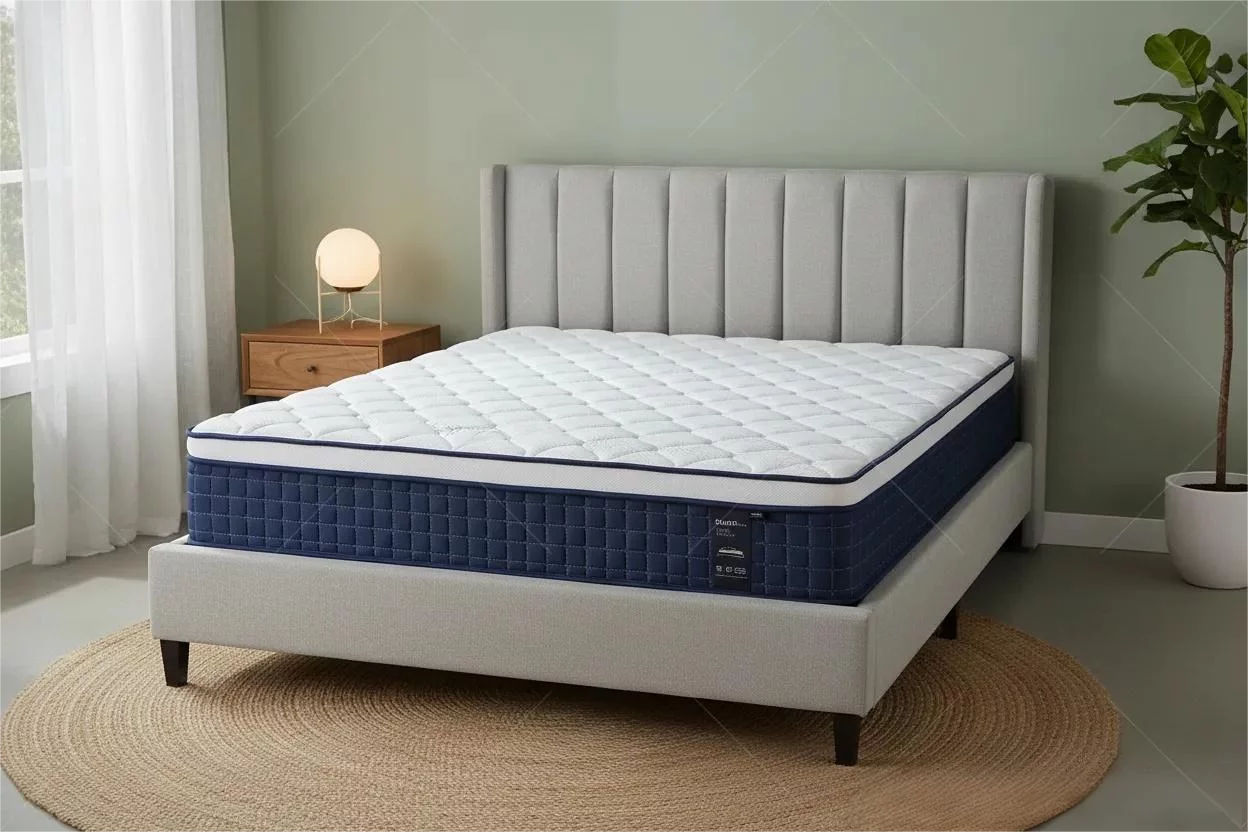
Our mattress designs include several functional layers. The filling layer consists of flame-retardant fire-resistant cotton, high-density foam D2030, non-woven fabric, and 5ry foam. These materials are arranged to create a balanced surface feel and internal support.
The support layer can use a smart pocket spring system with 2.0 mm wire. This spring system is designed to provide independent support across different areas of the mattress. The cover fabric uses knitted fabric, which offers a soft surface texture for daily use.
For bed in a box mattress manufacturers, the combination of spring systems and foam layers is an important part of product development. The mattress must be designed not only for comfort but also for the requirements of compression, rolling, and recovery after unpacking.
Managing Vacuum Compression and Shipping Requirements
vacuum compressed packing is widely used in mattress production because it helps reduce package volume. Our mattress solutions use vacuum compressed packing to reduce 80% shipping volume compared with traditional mattress transportation methods.
Reducing shipping volume can help businesses plan warehouse space and transportation arrangements more effectively. Smaller packages are easier to store, move, and distribute, especially for companies handling large quantities of products.
However, compression is only one part of the packing process. Manufacturers also need to consider packaging materials, sealing quality, and product protection during transportation. A suitable packing method helps maintain product condition before the mattress reaches the final destination.
The recovery time after unpacking is another point buyers often review. Mattress materials need time to return to their original shape after being removed from vacuum packaging. The recovery process can vary depending on the structure and materials used.
Coordinating Production Steps for B2B Mattress Projects
B2B mattress projects usually involve more than manufacturing a single product. Buyers may need consistent specifications, stable production processes, and packaging solutions that match their sales channels. Clear communication between suppliers and customers is important during product development.
We provide mattress production solutions based on customer requirements, including material selection, structural design, and packing arrangements. Our experience with different market needs helps us understand that buyers may have different expectations for mattress thickness, comfort levels, and transportation methods.
Quality checks should be completed before compression and packing to confirm that the mattress meets the approved specifications. Depending on the product, checks may cover dimensions, materials, spring or foam structure, surface condition, and finished-product consistency. These steps help maintain consistency between different production batches.
When companies compare rolled up mattress manufacturers, they often focus on more than equipment. Production capability, material knowledge, and communication efficiency are also important parts of supplier evaluation.
Considering Market Needs When Selecting Mattress Suppliers
The growth of compressed mattress products has created new opportunities for retailers, distributors, and hospitality-related businesses. Different customers may require different mattress specifications based on regional preferences and sales models.
A suitable supplier should understand both mattress construction and packaging requirements. A product that performs well in a showroom also needs to maintain its condition during storage and transportation.
Our role is to provide customized mattress solutions for business partners while considering product structure and manufacturing details. We combine materials such as Smart pocket spring and high-density foam with practical packing methods to meet different project requirements.
For companies working with bed in a box mattress manufacturers, evaluating the complete production process can help them make better decisions. Factors such as material selection, compression methods, and quality control all influence the final product experience.
Building Efficient Mattress Packaging Solutions
Mattress compression and rolling have become important parts of modern mattress manufacturing. These processes help reduce transportation challenges while allowing businesses to handle products more conveniently.
From internal layers to vacuum packaging methods, each manufacturing step affects the final product performance. Suisin Furniture focuses on combining suitable materials, production techniques, and packing solutions to support B2B customers with different mattress project needs.
By understanding how mattresses are compressed, rolled, and packed, buyers can better evaluate suppliers and choose solutions that match their business goals. A well-planned production process can create a smoother connection between manufacturing, logistics, and market delivery.