For global mattress buyers, a successful product launch depends on turning an initial concept into a product that can be manufactured consistently. This process involves more than choosing a design. Buyers also need to consider construction, materials, comfort, dimensions, packaging, and production methods.
For importers, retailers, hospitality suppliers, and private-label brands, understanding the development process can make communication with manufacturers more efficient. It also helps clarify key specifications early and reduce potential quality issues before moving into large-scale production.
Product Design Starts With Market Requirements
The design process begins by defining what the mattress needs to deliver, including dimensions, firmness, materials, thickness, price positioning, appearance, packaging, and sales channel. These requirements shape the basic construction, whether the mattress uses foam, memory foam, latex, springs, or a combination of materials. A capable mattress manufacturer can then translate these requirements into a practical design by determining layer arrangements, material thicknesses, spring configurations, edge support, and cover construction. Because changes to one component can affect others, the design must balance customer expectations with production feasibility and ensure the final mattress can be manufactured consistently.
Material Selection Establishes the Product Foundation
Different materials perform different functions inside a mattress. Spring systems can provide structural support, while foam and other cushioning materials influence pressure response and surface feel. Fabrics, padding, and quilting contribute to the exterior finish.
Buyers should avoid relying only on broad descriptions such as soft or luxury. Material type, thickness, density, dimensions, and construction details provide a more useful basis for communication.
These specifications also help when comparing suppliers. Two factories may quote similar prices for products that appear comparable but use substantially different internal constructions.
Sampling Turns Specifications Into a Physical Product
Once the preliminary design is established, the manufacturer can produce a sample. This allows the buyer to assess the actual mattress rather than relying entirely on drawings, specifications, or photographs.
Sampling can reveal issues that are difficult to identify during the design stage. Buyers can assess the finished mattress by checking its dimensions, firmness, support, appearance, stitching, fabric, and overall build quality.
A prototype can also expose manufacturing difficulties before mass production. Identifying these issues during sampling is generally easier than correcting them after hundreds or thousands of units have been produced.
Document Revisions and Establish an Approval Benchmark
A first sample may need adjustments to firmness, thickness, materials, fabric, quilting, dimensions, or other details. Each revision should be documented clearly so both the buyer and manufacturer know which version is current and which specifications have been replaced. This is especially important when purchasing, product development, and quality-control teams are involved.
Once the final sample is approved, it should become the benchmark for mass production. The approved sample and its written specifications can be translated into clear manufacturing instructions, helping maintain consistency throughout production and reducing the risk of teams working from outdated requirements.
Mass Production Converts the Design at Scale
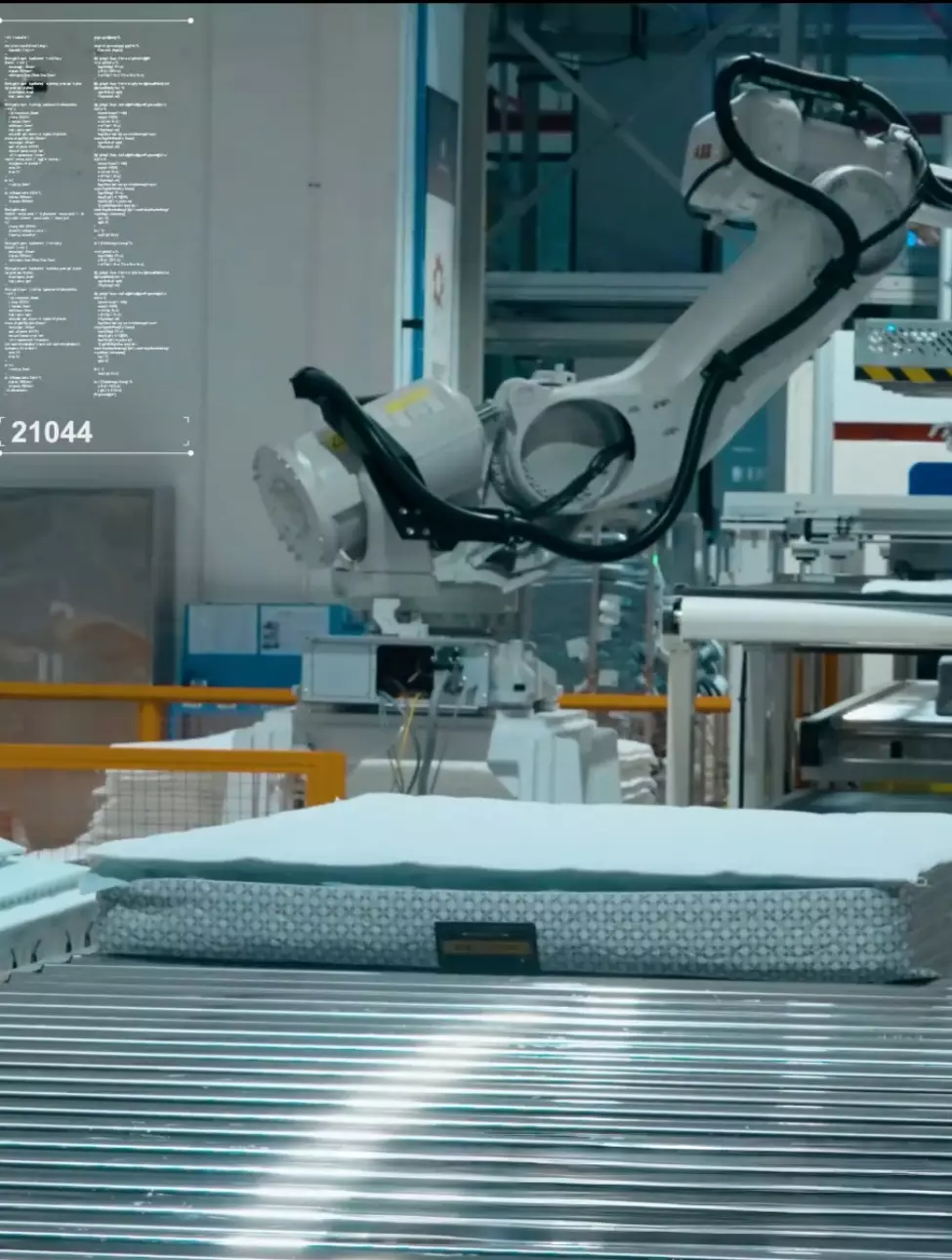
After approval, the mattress enters bulk manufacturing. Depending on its construction, production can involve spring preparation, foam cutting, material layering, quilting, sewing, assembly, finishing, and packaging.
The challenge at this point is consistency. A prototype only represents one unit, while a commercial order may contain hundreds or thousands of mattresses. Materials need to arrive according to specification, production settings must remain controlled, and workers need clear assembly instructions.
A manufacturer with organized production processes can make the transition from development to volume production more predictable.
Quality Inspection Protects the Approved Specification
Inspection should verify whether finished products conform to the agreed requirements. Depending on the project, checks may cover dimensions, appearance, construction, firmness, stitching, materials, labels, and packaging.
For global buyers, agreeing on inspection standards before mass production helps ensure that both the buyer and factory have a clear and consistent understanding of the required product quality.
At Suisin Furniture, we approach mattress development through a combination of product engineering and production resources. Our facilities support different mattress constructions, while our website presents a broad selection covering spring, memory foam, hybrid, handmade, and compressed mattress categories.
Lead Time Should Be Planned From the Start
Development and production have different timelines. Sampling requires time for design confirmation, material preparation, manufacturing, evaluation, and possible revisions. Bulk orders then require additional time for material purchasing and production scheduling.
At Suisin Furniture, we generally complete sample production within around 10–15 days, while regular bulk production typically takes approximately 30–35 days. For customized orders, lead times may vary depending on the product specifications and order quantity.
For a bed mattress manufacturer China sourcing project, buyers should include these stages when planning product launches and inventory.
A Controlled Workflow Supports Long-Term Sourcing
A mattress typically goes through a clear development process before it reaches the market. Market needs are first translated into a product design, which is then developed into a sample. Once approved, the sample becomes the production reference for consistent mass manufacturing.
At Suisin Furniture, we support this process through OEM and ODM services, helping buyers work from existing designs or develop products based on specific market requirements. We can also customize dimensions, materials, colors, styles, and packaging to suit different projects.
For businesses working with a bed mattress manufacturer in China, understanding this process can make supplier evaluation more practical. A reliable manufacturing partner should be able to connect product development, sampling, approval, and mass production throughout the entire supply cycle.