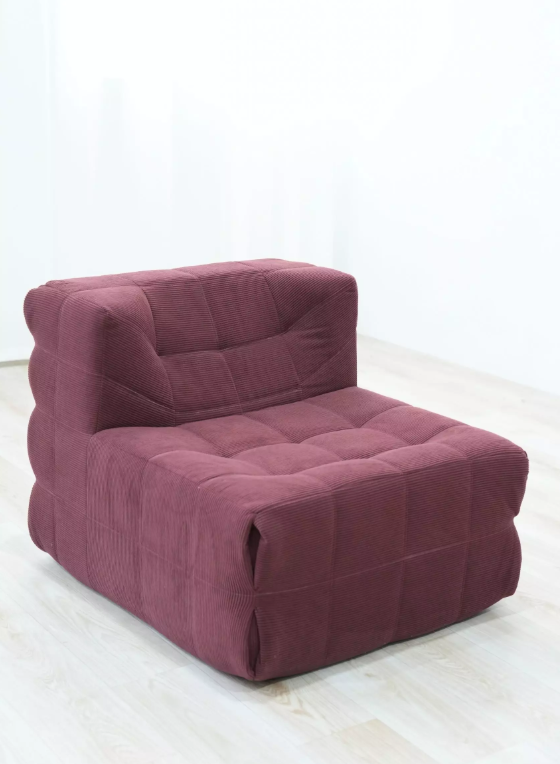
Vacuum packaging has changed the way furniture is transported and stored, especially for sofas that usually require large shipping space. Traditional sofas often have fixed structures and bulky dimensions, which can increase logistics costs and storage pressure. A compressed sofa needs a different design approach, including suitable materials, flexible structures, and careful packaging methods.
When developing compressed furniture, we focus on how each component performs before and after compression. As a professional furniture supplier, Suisin Furniture considers material selection, product structure, and packaging requirements during the design stage. This approach helps create sofa products that are suitable for modern furniture distribution.
Material Selection Determines Compression Performance
The material structure plays an important role in vacuum-packed sofa production. A sofa cannot simply be compressed without considering how the internal materials respond to pressure. The sponge, cover fabric, and frame design all influence the final packaging result.
High-density sponge is commonly used in compressed sofas because it can provide comfortable support while maintaining shape recovery after unpacking. During the design process, manufacturers need to evaluate sponge density, thickness, and elasticity according to the expected usage environment.
For example, the CSF-005 compressed sofa uses high density sponge with a sponge density of 3360#. This specification helps define the product structure and supports stable performance after vacuum packaging. The sofa also uses Flannelette cover fabric, which provides a soft surface texture for daily use.
Structural Design Supports Vacuum Packaging
A compressed sofa requires more than suitable materials. The internal structure must also be considered before production. Designers need to balance comfort, appearance, and packaging size during development.
The dimensions of a sofa directly affect shipping efficiency. The CSF-005 model has general dimensions of L83W100H75cm before compression. By planning the product structure carefully, manufacturers can reduce the space occupied during transportation while keeping the sofa ready for normal assembly and use after delivery.
A professional compressed sofa factory usually evaluates different design elements before mass production. These elements include sponge recovery ability, fabric flexibility, product size, and packaging method. This process helps reduce possible problems caused by unsuitable materials or structures.
Vacuum Compression Changes Furniture Logistics
Vacuum packaging is widely used in furniture transportation because it can reduce the volume of packaged products. Compared with traditional sofa shipping methods, compressed packing allows suppliers and buyers to arrange warehouse space and transportation plans more flexibly.
The CSF-005 adopts vacuum compressed packing to reduce 80% shipping volume. This packaging method changes how sofas move through the supply chain, from factory production to final delivery. It also allows businesses to handle inventory with different storage conditions.
For companies purchasing furniture in bulk, packaging design is an important part of supplier evaluation. A reliable packaging process needs to consider protection during transportation, unpacking convenience, and product recovery after opening.
Production Considerations for Business Buyers
B2B furniture buyers usually need products that match their market requirements, including product appearance, packaging format, and delivery arrangements. A sofa design suitable for online sales may have different requirements from products used in traditional furniture stores.
As a compressed sofa manufacturer, we understand that furniture projects often involve different market demands. Our development process focuses on product specifications, material combinations, and manufacturing details to create furniture solutions for different business applications.
At Suisin Furniture, we work with partners who require customized furniture production and stable product information. From material selection to final packaging, we pay attention to each stage that affects product quality and delivery experience.
How Manufacturers Improve Compressed Sofa Development
The development of compressed sofas requires cooperation between design teams, material suppliers, and production departments. Each stage influences the final product performance, from the first sample evaluation to large-scale manufacturing.
Before production, manufacturers usually check whether the sofa structure can handle compression and whether the materials can return to their original condition after unpacking. These evaluations help reduce unexpected issues during product use.
Another important factor is consistency. When buyers place repeat orders, maintaining similar dimensions, materials, and packaging methods becomes necessary for business operations. A clear production process helps manufacturers manage these requirements more effectively.
Designing Furniture for Future Distribution Needs
The growth of e-commerce and international furniture trade has increased demand for space-saving packaging solutions. Compressed sofas provide an option for businesses that need easier transportation and storage management.
A well-designed compressed sofa combines comfort, material performance, and packaging efficiency. The design process is not only about reducing size but also about creating a product that can meet practical usage needs after delivery.
From material choices to packaging methods, every detail influences the final result. Our experience in furniture production allows us to understand these requirements and provide products designed for different business scenarios. Companies looking for suitable compressed furniture solutions can discuss their product requirements with our team for further cooperation.