For furniture retailers, e-commerce brands, distributors, and project buyers, sofa packaging can directly affect logistics and customer experience. Compressed sofas are designed to reduce package volume for transportation, while traditional sofas are generally shipped in a larger, assembled or partially assembled form. Understanding the differences can help businesses choose the right product format and evaluate a suitable compressed sofa supplier.
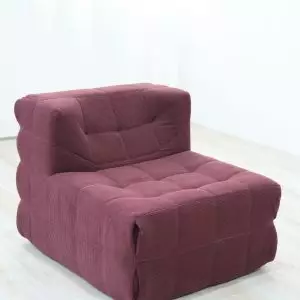
What Is a Compressed Sofa?
A compressed sofa is manufactured and packaged with space-efficient transportation in mind. Depending on its construction, cushioning and upholstery components can be compressed and packed into a smaller package before shipment. After unpacking, the materials recover toward their intended form.
The main purpose is logistics efficiency rather than changing the basic function of the sofa. A compressed product can take up less space during transportation and storage, potentially making handling more convenient for retailers and consumers.
At Suisin Furniture, we include compressed sofas in our sofa product range, alongside classic options such as leather, fabric, and functional sofas. We position our compressed sofa collection as part of our broader furniture manufacturing portfolio rather than as a standalone product category.
Packaging: Compact Versus Full-Size
Packaging is one of the most visible differences between the two formats. A traditional sofa generally requires packaging that accommodates its relatively large finished dimensions. This can increase the amount of space required in warehouses, delivery vehicles, and distribution facilities.
A compressed sofa is designed to reduce this footprint. Smaller packaging can make it easier to move products through logistics networks and into buildings where large furniture can present handling challenges. For online furniture sellers, compact packaging may also support a delivery model in which customers receive furniture in manageable packages.
However, compression cannot be treated as a universal solution for every sofa design. The construction, cushioning materials, frame, upholstery, and packaging method all need to work together. A compressed sofa factory therefore needs to understand the relationship between product engineering and packaging before production begins.
Shipping and Storage Considerations
Shipping efficiency is especially important for long-distance furniture transport. Smaller packages may improve warehouse and transportation space utilization, depending on product size, packaging, order volume, and shipping method.
Traditional sofas may be preferable when immediate setup is important or when logistics systems are already designed for large furniture. For international buyers, freight costs, container utilization, warehouse space, handling, and delivery should all be considered.
Assembly and Customer Experience
Assembly requirements also differ. Traditional sofas may arrive mostly assembled, while compressed sofas can require unpacking, positioning, cushioning recovery, and basic assembly.
Clear instructions should cover unpacking, assembly, component placement, and recovery time. For e-commerce brands, these details should appear in product descriptions, packaging, and customer-support materials.
Product Introduction: Suisin Furniture Compressed Sofas
Suisin Furniture’s compressed sofa collection is intended for buyers interested in space-efficient sofa products within a broader furniture sourcing program.
We also support OEM and ODM orders. Buyers can select existing furniture designs for branded production or provide their own styles and designs for customization.
For retailers or furniture brands developing a compact-delivery collection, this type of customization can be useful. Packaging requirements can be discussed alongside product dimensions, materials, appearance, and other specifications rather than treated as a separate issue after the sofa has already been designed.
What Should Buyers Ask a Compressed Sofa Supplier?
When evaluating a compressed sofa supplier, buyers should first ask how the product is constructed and which components are suitable for compression. The supplier should be able to explain the packaging process and how the sofa is expected to recover after unpacking.
It is also important to request a physical sample. A sample allows buyers to evaluate the actual appearance, cushioning, dimensions, workmanship, packaging, unpacking process, and assembly requirements. For private-label products, the approved sample can then serve as a reference for future production.
Production capability matters as well. Suisin Furniture operates three production bases in China, uses standardized production lines including automatic lines, and conducts multiple rounds of quality inspection. We also have more than 50 experienced design engineers and more than 300 national patents.
These capabilities can be particularly relevant for buyers developing customized sofa collections or private-label products.
Which Sofa Format Is Better?
Neither compressed nor traditional sofas are automatically better for every business. The right option depends on the sales channel, distribution model, target market, product construction, storage conditions, and customer expectations.
A compressed sofa may be attractive for e-commerce and space-conscious distribution because its packaging can simplify handling and storage. A traditional sofa can remain practical for showroom-based sales, conventional furniture delivery, and applications where minimal customer assembly is preferred.
The decision should therefore begin with logistics and customer requirements. Businesses should then assess whether the supplier can consistently manufacture the chosen design and package it according to the intended distribution model.
Make Packaging Part of Product Planning
Packaging should be considered during sofa development rather than added at the end of production. A successful compressed sofa needs coordinated product construction, material selection, packaging, shipping, and customer setup.
For businesses comparing a compressed sofa factory, these factors can reveal more than a simple quotation. Buyers should examine customization capability, sampling, quality inspection, production capacity, packaging methods, and communication before committing to bulk orders.
By evaluating packaging and product performance together, retailers and distributors can select a sofa format that supports efficient logistics while maintaining a practical customer experience.